Collapse of the Bretton Woods System

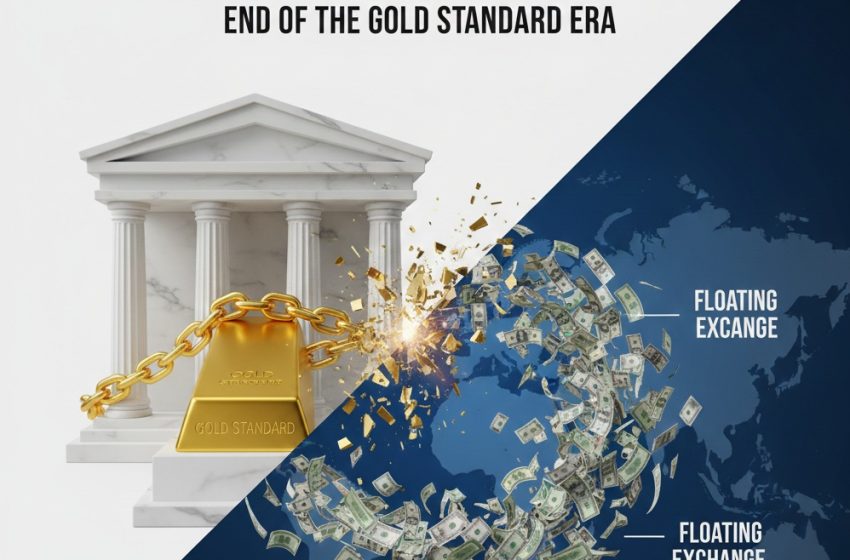
The modern forex market as we know it today emerged in the early 1970s, following the collapse of the Bretton Woods System. Before this, most currencies were pegged to the US dollar or gold, and international trade relied on fixed exchange rates. When the US ended dollar-to-gold convertibility in 1971, currencies were allowed to float freely, meaning their values were determined by supply and demand in global markets. This shift laid the foundation for today’s forex trading.
Initially, the forex market was dominated by banks, multinational corporations, and governments, who traded currencies for international business and financial management. The introduction of computer technology and electronic trading platforms in the 1980s and 1990s expanded access, allowing individual traders to participate alongside institutions.
Today, the forex market is the largest financial market in the world, with a daily trading volume exceeding $7 trillion. It operates 24 hours a day, five days a week, spanning major financial centers from New York to Tokyo. Traders speculate on currency movements, hedge risks, and facilitate global commerce, making forex a cornerstone of the modern global economy.
In essence, the modern forex market was born from the shift to floating exchange rates, technological innovation, and the growing need for international currency trading, connecting the world like never before